

VOLUME II
On Windows and Doors
There is, supposedly, a right way to become an art collector. You learn the names, visit the galleries, go to the fairs, figure out what you’re supposed to like, and spend or donate enough to be taken seriously. Eventually, perhaps, you buy something. Then, once you’ve been featured in a magazine or two, you can finally call yourself a collector.
The longer I spend around art, the less I believe in any of that.
There is no right way to become a collector. No right way to experience a museum. No prerequisite number of art-history classes before you’re allowed to have an opinion. Some people grow up surrounded by art. Others stumble into it later. Some start with a museum, some with an artist, some with a friend.
Jeff Magid found his way to collecting through an artist’s studio and a poker game. Tony Ortega has spent more than four decades developing his practice, while his wife, Sylvia Montero, arrived at visual art after a career as a modern dancer. Sibilla Maiarella and Sam Wilson have carved their own paths through an art world shaped by curiosity and relationships, and now help others find their way in. Dr. Lynn Boland and Amelia Anderson reminded me that sometimes the most important way into art is simply having a museum nearby that is willing to open its doors to anyone.
Each of these people is part of the larger, wonderfully varied network of people and places that make up the art world. More importantly, each has been willing to prop the door open so someone else can come in and explore, even if they aren’t sure they belong there yet.
That, ultimately, is what connects the conversations in this volume: people finding their way into art, and people willing to help them navigate a world that can often feel opaque from the outside.
We don’t all discover art in the same place, and we certainly don’t all end up with the same things on our walls. One person might study an artist for years. Another might see something once and never stop thinking about it. Someone might buy their first work on impulse. Someone else might spend years visiting museums before ever owning anything.
I believe all of those experiences count. That is the heart of Art Rookie.
I want art enthusiasts, curious newcomers, and people living in the margins of the art world to feel welcome and empowered to step into collecting. I think the best way in is curiosity. Not expertise. Not status. Not knowing what you’re supposed to say.
There is no right way to find art. There is only your way.
And every person interviewed in this volume has reminded me that the windows I was looking through into the art world were actually doors. They could be opened. I could step through them.
My hope is that, somewhere in these interviews, you find a door of your own.
— Elizabeth Royal
November 2026
Table of Contents
Tony Ortega and Sylvia Montero share a decades-long story of making art, shaped by family, movement, identity, and place. Together, their practices reveal two distinct voices within a shared creative life.
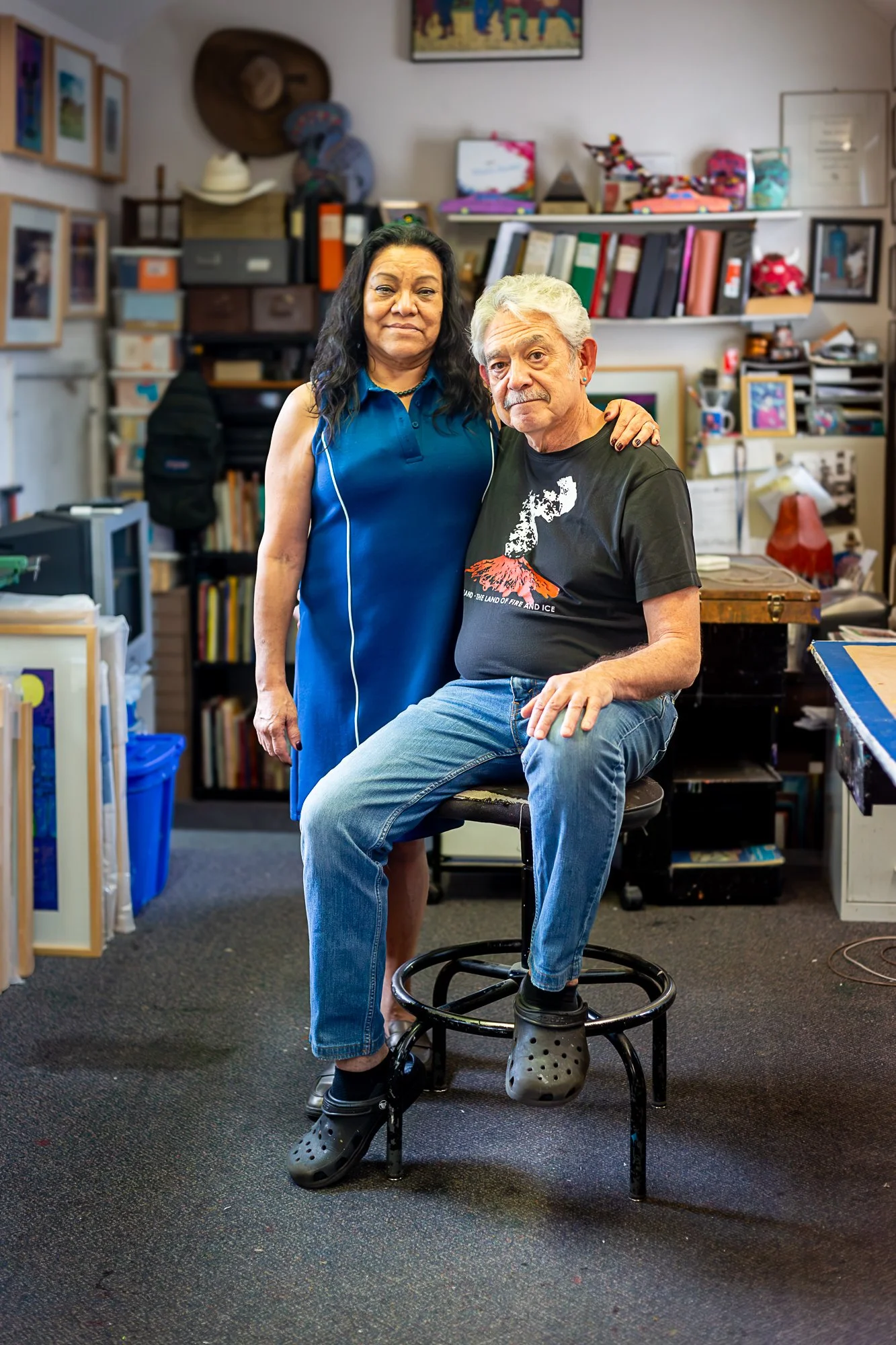
Sylvia Montero and Tony Ortega
Artists
Jeff Magid and I are curiosity-driven collectors who came to art from outside the traditional art world. We talked openly about learning as we go and making collecting feel welcoming to everyone.
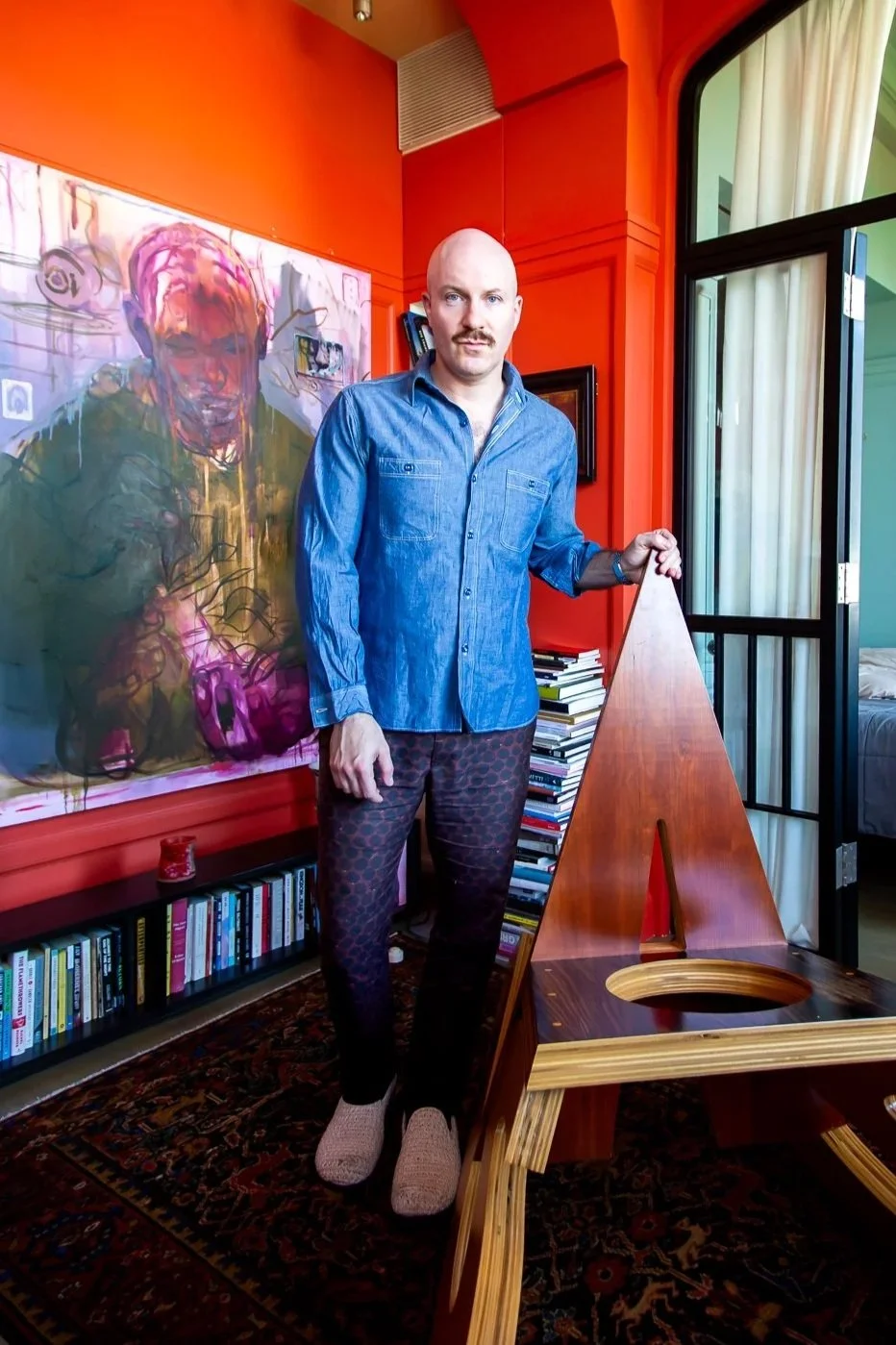
Collector
New Collectors and Forma Art Advisory was built to make the art world feel less like an insider’s club. We talk about what an art advisor actually does and why collecting shouldn’t be reserved for people who already know the rules.
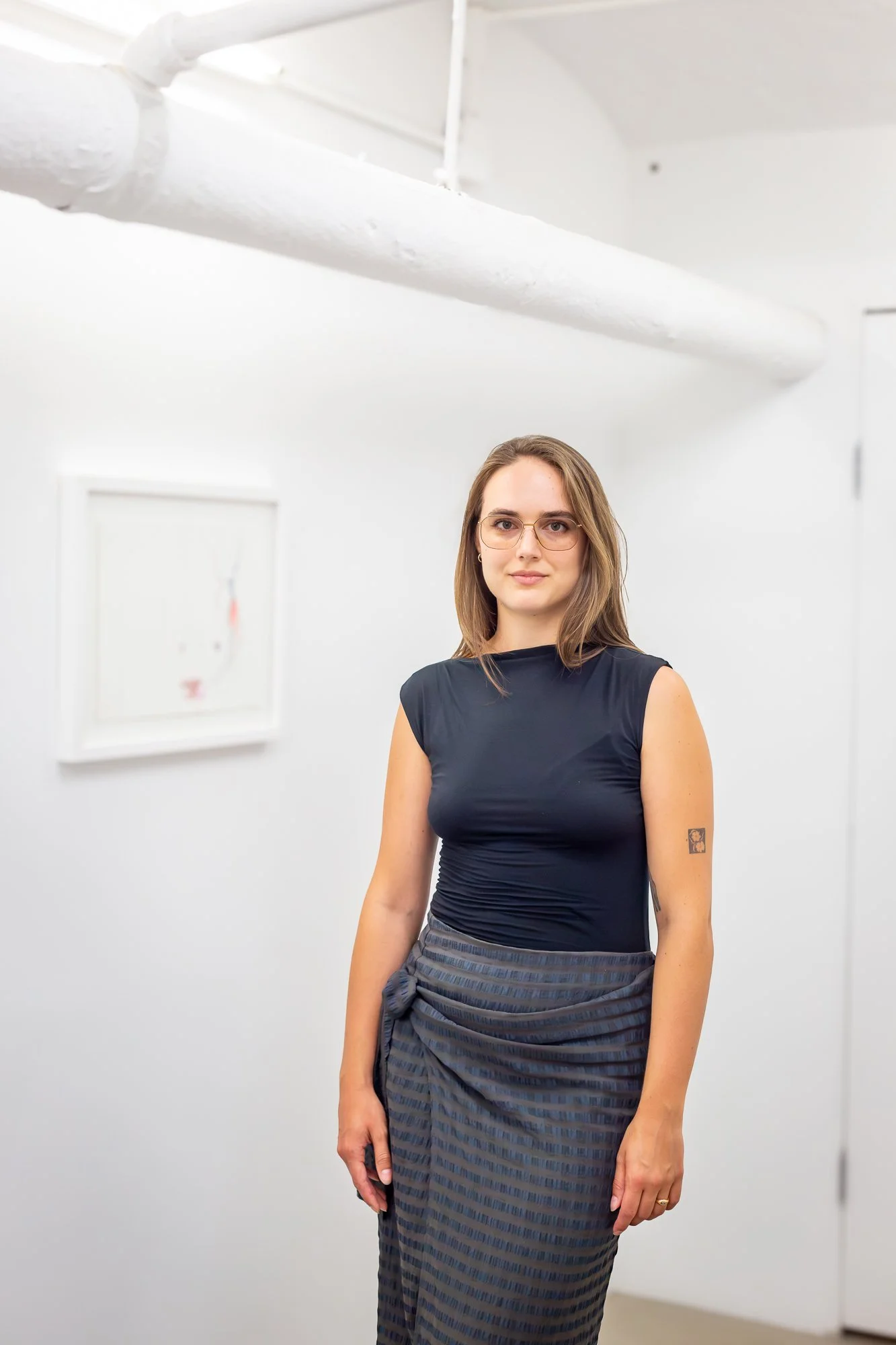
Sibilla Maiarelli
Art Advisor
What does a gallery actually do? Sam Wilson of Klaus von Nichtssagend talks about the many roles galleries play, from supporting artists to helping collectors find their way, and why there shouldn’t be an exam at the door.
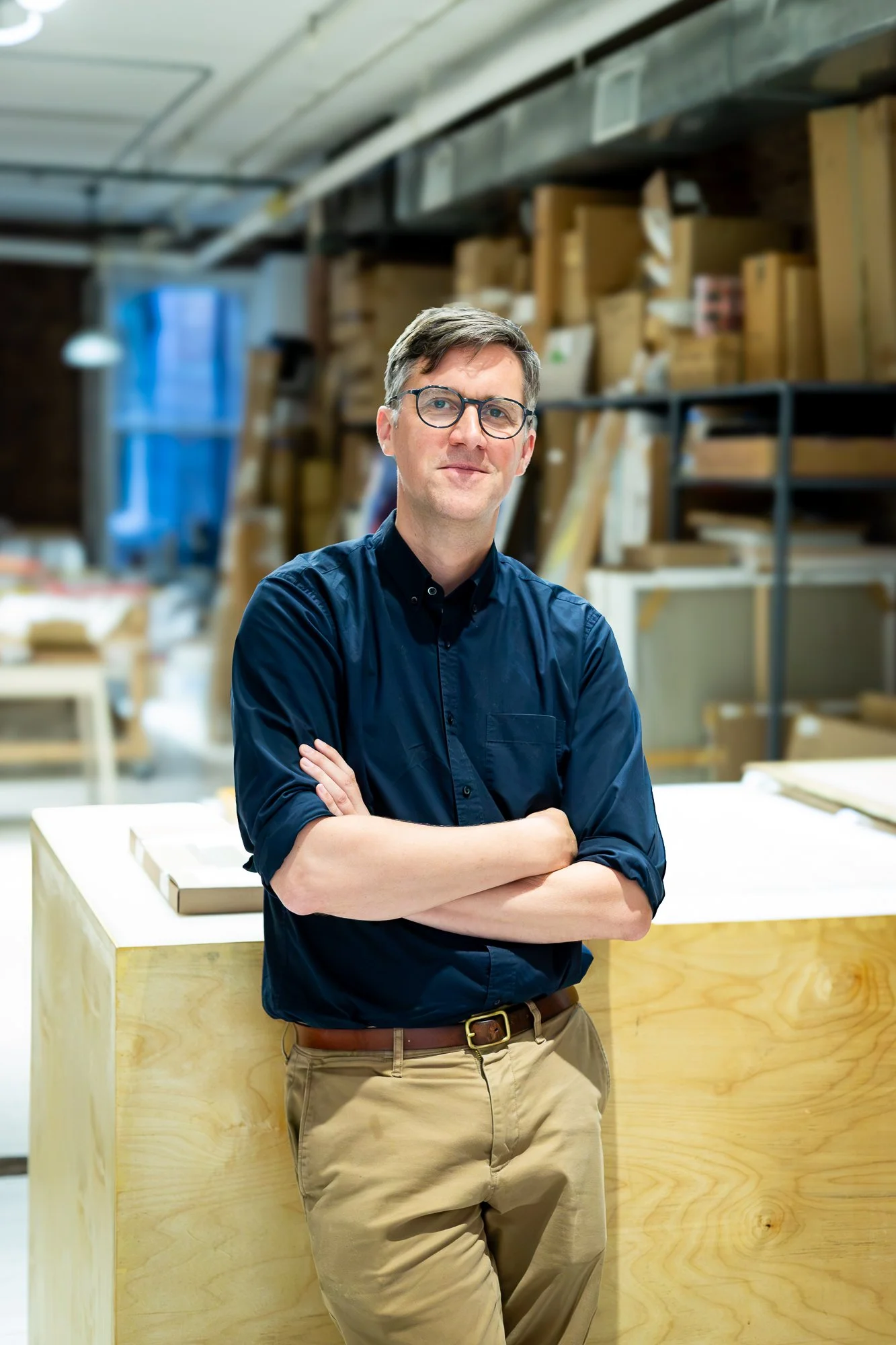
Sam Wilson
Owner, Klaus von Nichtssagend Gallery
Why do small, regional museums matter? We talk about third spaces, preserving regional art movements, supporting local artists, and why some of the most interesting art experiences happen outside the usual cultural centers.
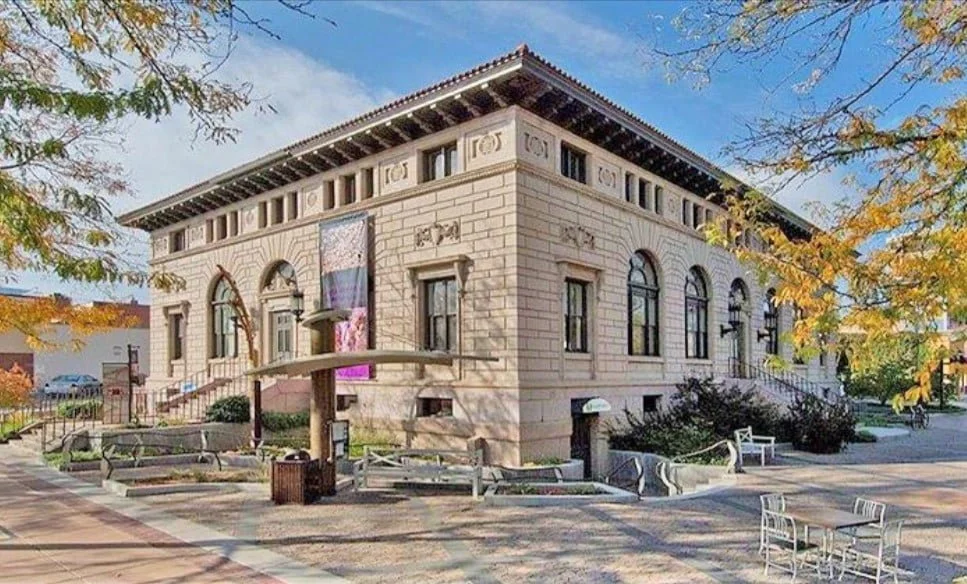
A Love Letter to Small Museums with Amelia Anderson & Dr. Lynn Boland
Muskegon Museum of Art & Museum of Art Fort Collins