

Artist Interview
Sunik Kim:
Photography, collecting, and the meaning of chance
김선익: 사진과 수집, 그리고 우연이 지닌 의미
English | 한국어
Sunik Kim, who I am honored to call friend, was one of the first people I floated the idea of Art Rookie across, and my first enthusiastic “yes!” to an interview request. Over the years I have known him, I have watched him work on increasingly more complex projects, including projects for Vice, Harper’s Bazaar, and large scale installations. Despite my awareness of his work, I didn’t quite understand the scale of his projects and what it meant to him personally until I had the chance to interview him.
Sunik creates art books, and in May of 2026 he will show his work at the Kyotographie Photobook Fair. You can find a more complete archive of his work at his website here.
And one final note on the interview format - we conducted the interview in a blend of Korean and English, so I decided to translate our conversation fully into both languages and publish parallel articles.
Elizabeth: Can you believe it’s already been ten years since we first met? We got to know each other back when we were both working in Seoul’s street photography scene, and even though our paths have gone in very different directions since then, we’ve stayed in touch. I’m really proud of everything you’ve done and how much you’ve grown over the years. Could you tell us a bit about your journey?
Sunik Kim: When I first started taking photos, I already thought of myself as a photographer—or maybe an image-maker. The feelings and moods I experience in life naturally find their way into my images. But in the beginning, I honestly had no idea what or how I should be photographing. So I started walking the streets, observing shapes, objects, and anything that caught my eye. I think that’s where it all began.
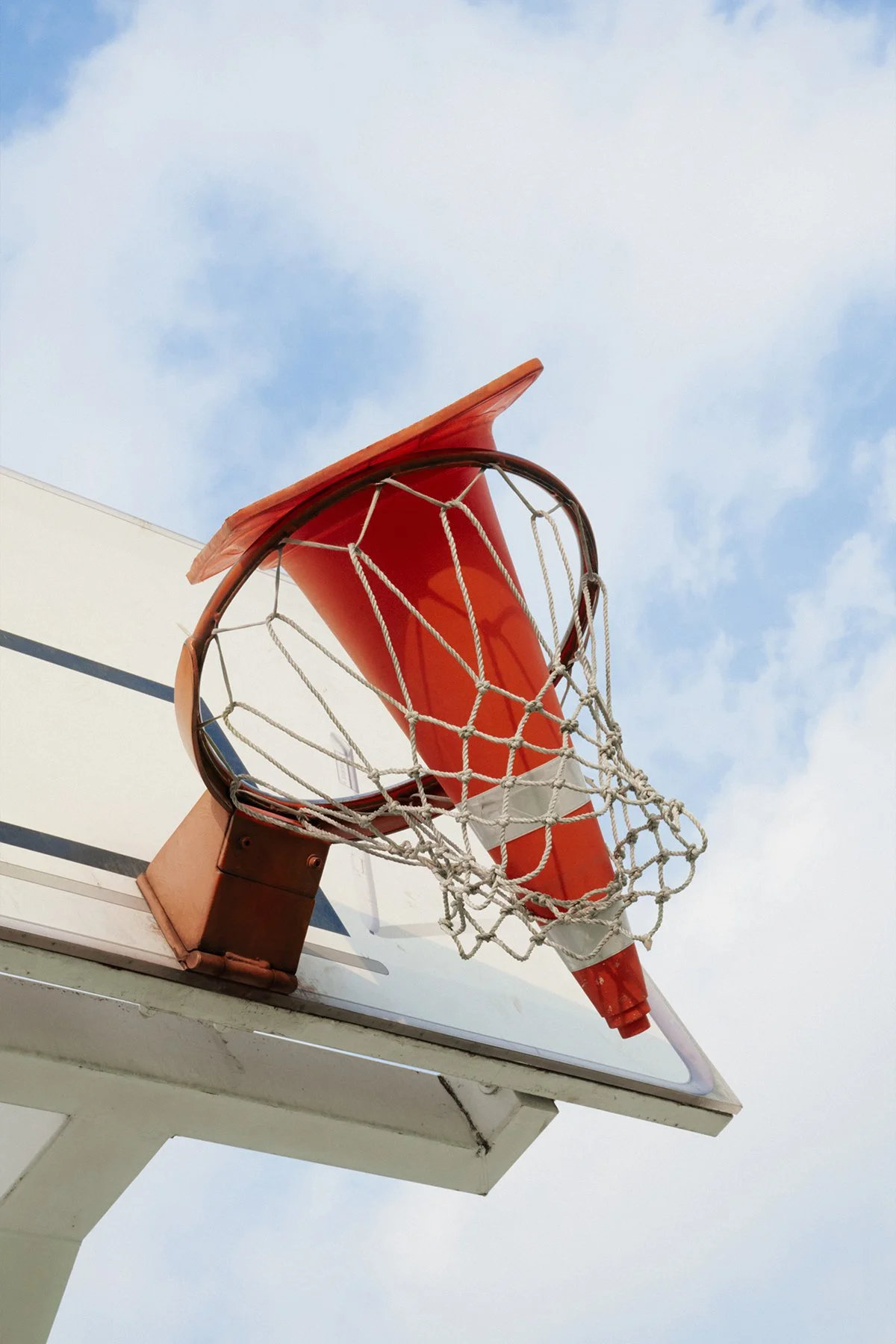
Even now, I love wandering around like that—there’s something about moving through the world without a plan that feels right to me. I’m more drawn to what I encounter by accident than to what I seek out deliberately.
I think we are at the age where we are really starting to understand that things don’t go as planned - I’m realizing that now as well. I think that once you get over the disappointment there's a great deal of freedom in the land of dreams that didn’t come true - you learn that the end of the dream isn’t the end of life. Do you feel that way, too?
Definitely. Dreams are always future-oriented—they carry hope and expectation—but once you achieve them, there’s often a sense of emptiness, or a search for the next dream. For me, it’s more important to learn how to let go of obsession. When you fixate too much, you close yourself off to other possibilities. But at the same time, a little obsession is necessary if you want to accomplish anything meaningful. There’s no single answer to “how to live.” We each have to find our own way.
Some artists are collectors themselves, while others aren’t at all. Do you collect art in any way?
I wouldn’t say I’m an active collector. I’m more drawn to the ideas or thought processes behind artworks than to owning the pieces themselves. In that sense, books are the perfect medium—they weave images and text together in meaningful ways. Sometimes I reach out directly to artists abroad to buy their independently published books, but that’s more out of curiosity and admiration than for collecting’s sake.
I actually own one of your works—I like to call it a folio. I rotate the pieces seasonally, and among all my folios, yours includes the largest number of works. It hangs right next to my art book shelf in my studio. Usually, when people collect photography, they buy a single print or a bound photo book, but your folio—containing multiple works—is quite unusual. What inspired you to work in that format?
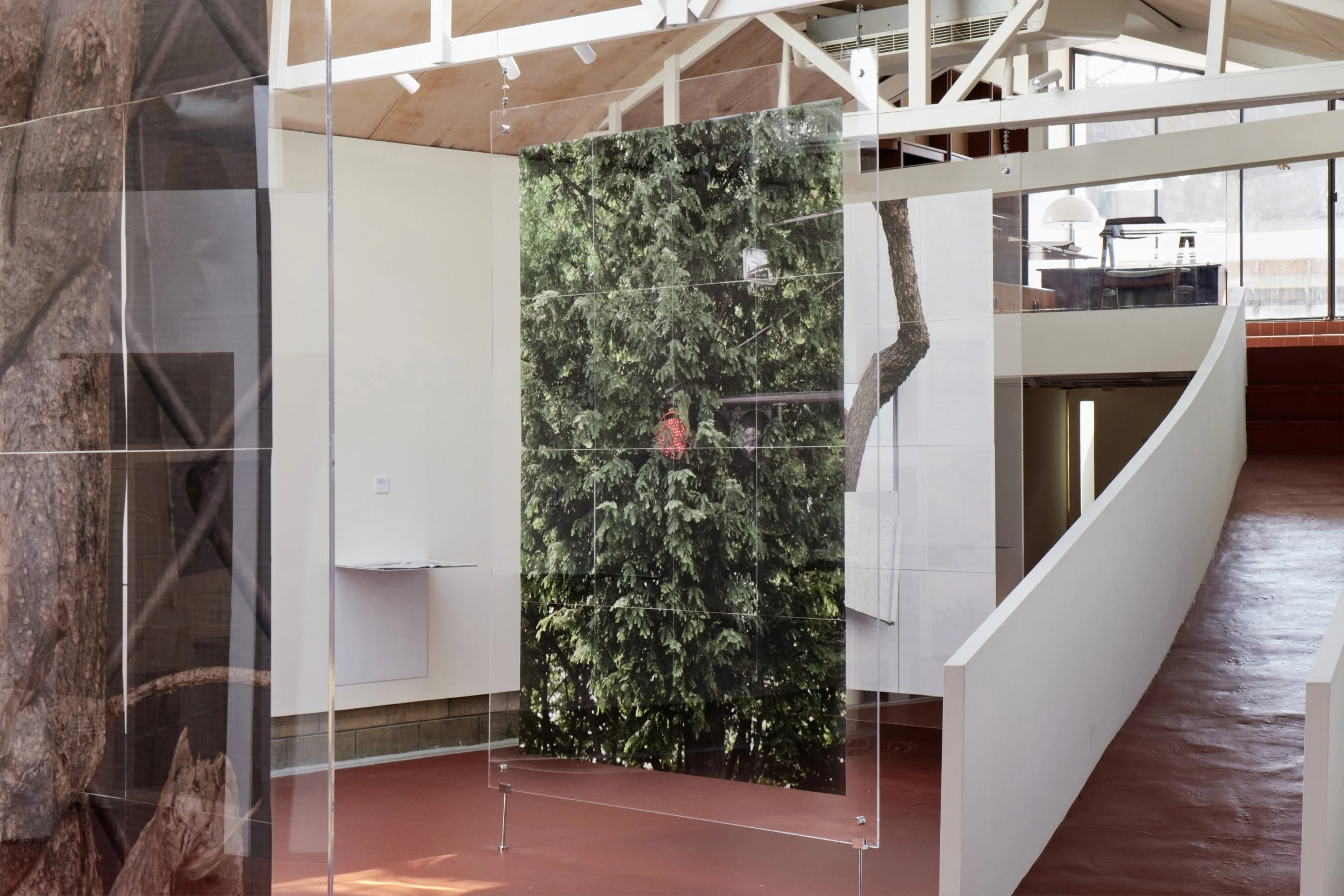
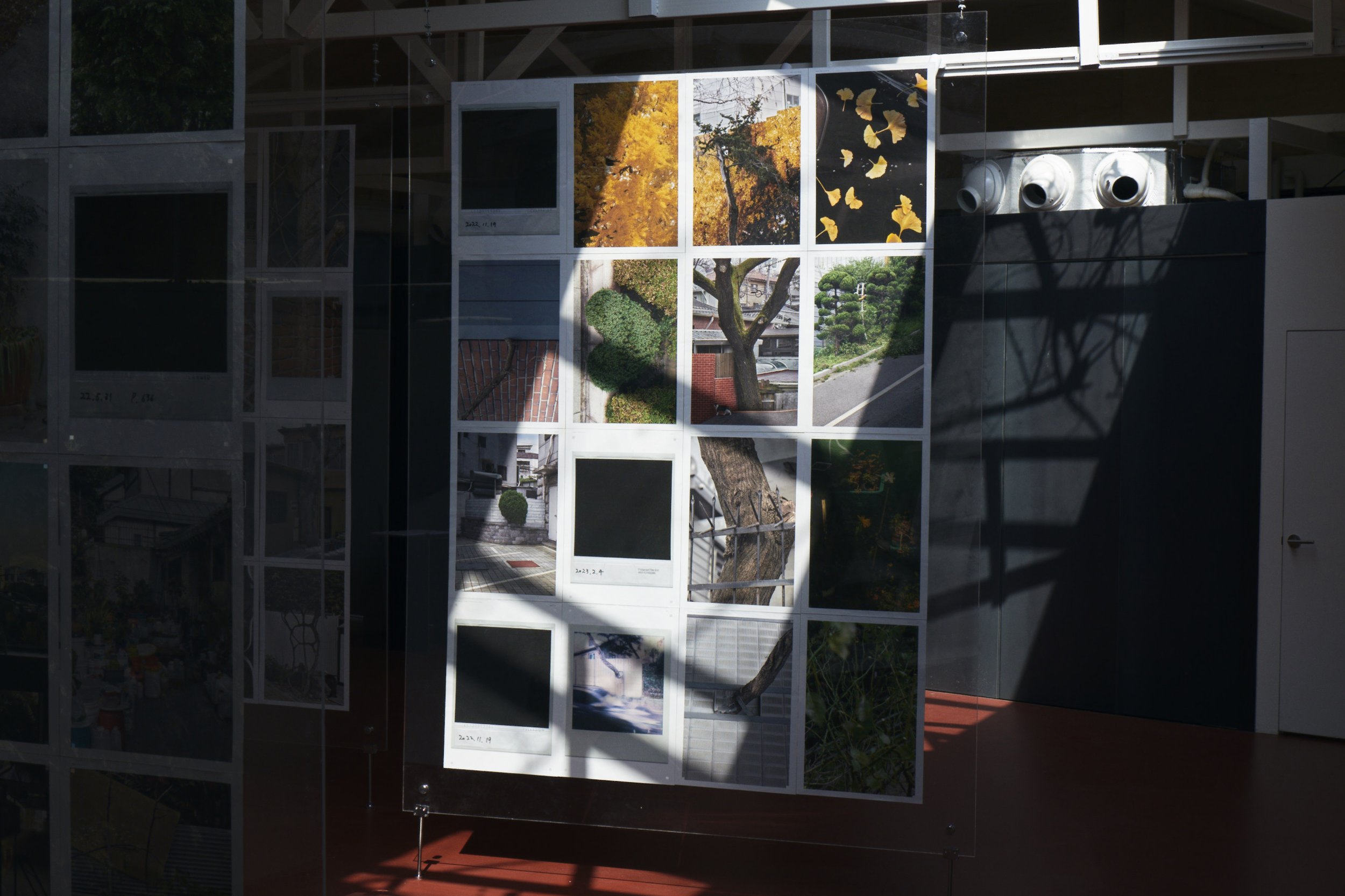
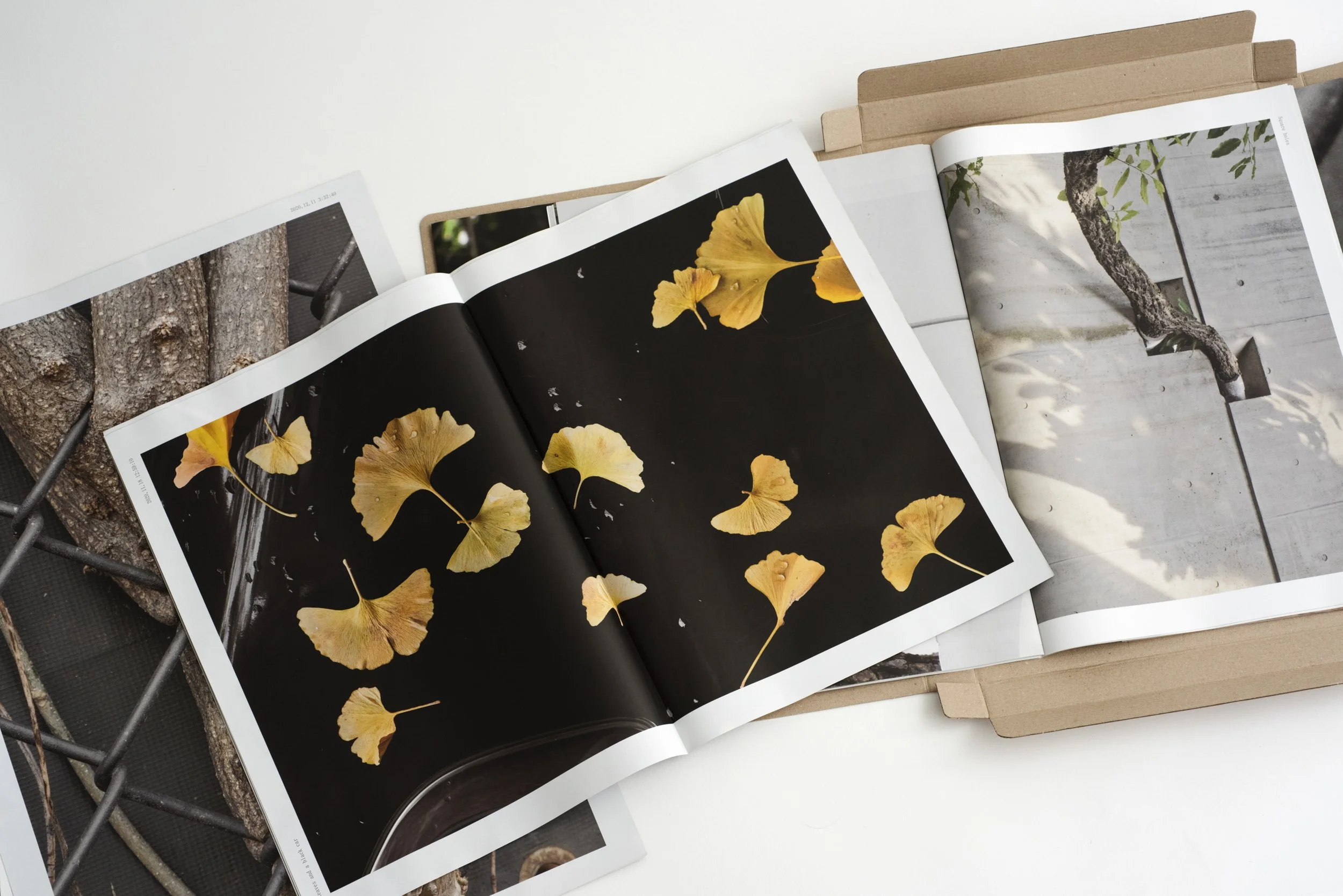
That project came from my 2023 solo exhibition Temporary Garden. A year before that show, I saw an exhibition that only displayed other artists’ catalogues. Looking through those books, I felt this strange sensation—as if I had actually visited those exhibitions myself, even though I hadn’t. Normally, a photo show means prints on paper, framed and hung on walls. But since I’ve always loved books, I wanted to create a work that could function both as an installation and as a kind of catalog. I was also curious about experimenting with new ways of distributing art. Instead of using photo paper, I printed on regular paper, and produced 300 editions—almost like manufacturing books in a factory. That way, people who saw the exhibition could easily take home a piece of it, and each person could unfold their own “temporary garden” in their own space.
I’ve always wondered about the format and it makes me feel more like I should wallpaper the space with the different pieces instead of just doing one at a time. I might re-think how I’m displaying them! I think that there’s a little learning curve to collecting fine art photography, but books are a good way to start with that. There are so many books that are absolute works of art - they cross that boundary between sculpture and reading medium.
Another exciting milestone is that you’ve recently published the second edition of your photo book. From a collector’s perspective, what should we pay attention to when looking at photo books or art books? And why do you think these books are such an essential part of any collection?
There are so many good books out there. Of course, once you start asking what makes a book “good,” there’s no end to the discussion. Personally, I’m less focused on the work itself and more curious about the artist behind it. If there’s a chance to meet an artist in person, I always take it—whether it’s a book talk or an art book fair. Hearing directly from the artist and forming that kind of connection feels really important. It helps you develop your own sense of what makes a book valuable or meaningful to you.
I think that one of the best parts of collecting contemporary art is that sometimes you have the opportunity to interact with the artist, and understanding their process and interests. Knowing they “why” behind a piece lends a kind of gravity to it. I think that’s a big reason why provenance is so important, and when you are collecting contemporary art the first collector of the piece becomes an integral part of the story of that work.
As a photographer, what’s one thing you think beginner collectors should know when they start collecting photographic works?
For mid-career artists, their body of work already speaks for itself. For emerging artists, what matters more is whether they can keep creating—even they might not know that yet. Ultimately, each collector has to decide for themselves. Building a long-term relationship with an artist from their early years can be deeply meaningful for both sides.
As a collector, I’ve never really thought about how that collector-artist relationship can be meaningful for the artist - I’ve always felt a bit at the mercy of the artist and whether or not they’re interested in selling something to me. In what way is meaningful to the artist to have those long term relationships?
Both artists and collectors should reflect on what drives them—what their motivations really are. For me, selling work isn’t the goal. I find meaning in simply observing my relationship with the world as I live. The images are what remain—like traces of that process.
I feel lucky to have “grown up” alongside you in a way—we’ve known each other since before I ever became a collector, back when we were both just figuring things out. Most people don’t get to have that kind of connection. In your opinion, what’s the best way for collectors today to connect with contemporary artists—not necessarily as friends, but in terms of discovering new work?
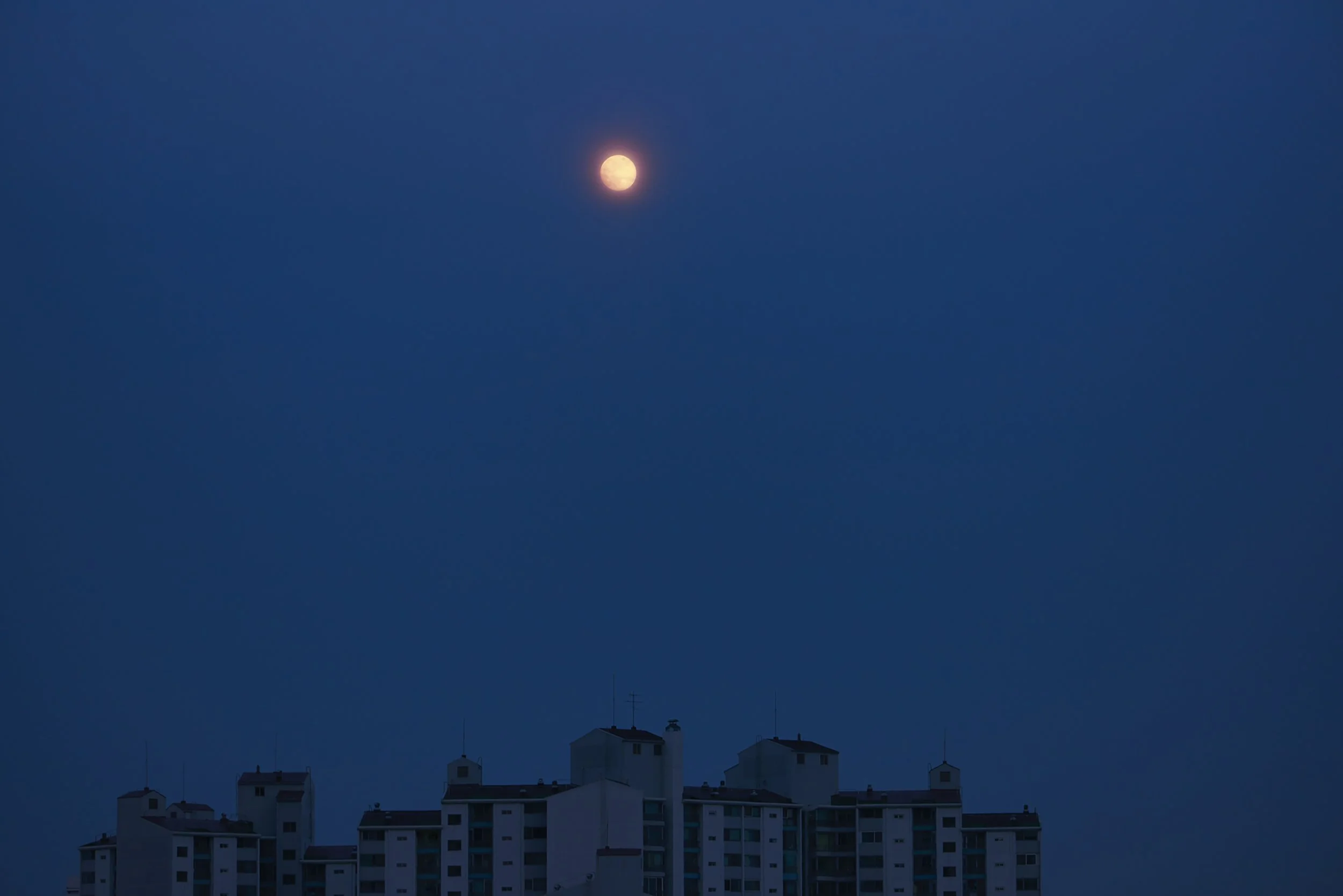
I’m not sure there’s a specific place for that. In some ways, taking photographs feels similar to collecting objects. When I find something interesting or beautiful, I capture that moment—it’s a kind of collecting. There’s no single perfect place to take good photos, just like there’s no single place to find great artists. Every moment in daily life has the potential to become significant. Maybe collectors could approach artists and artworks in the same spirit—trusting their instincts and exploring step by step, like venturing into unknown territory. The value that comes from that kind of genuine discovery can’t really be replaced by anything else.
One thing I’ve noticed as an art collector is that many emerging artists today are around our age, while more established contemporary artists tend to be much older. It seems like most artists go through a long period of searching before they find their voice. What’s interesting about you is that you didn’t actually start out as a photographer—you used to be a race car driver. Do you think that earlier experience influences your artistic work today?
Not in any technical way, no. But as I mentioned earlier, I tend to rely more on intuition and chance than on detailed planning. Maybe that attitude comes from my time as a driver. I was very serious about racing for a long time and honestly never imagined doing anything else with my life. But here I am now, doing something completely different. That experience—realizing that even the biggest, most ambitious plans don’t always go as expected—shaped me a lot. I wouldn’t call it trauma, but I do think it influenced how I’ve come to embrace chance in my creative process. These days, I try not to get stuck in one way of working. These days I try not to fixate on a single method—I want to stay open, to experiment with new directions and elements.
From a conventional perspective, these private thoughts or acts might seem “useless,” but that’s precisely what I value. And knowing that someone out there engages with my work out of curiosity or ongoing interest—that’s deeply supportive.
For collectors, too, witnessing how an artist evolves over time—from their early work to where they go next—can be something truly special.
Switching gears here, when I was pretty young - the year I graduated college - I went to my friend’s apartment in Detroit for the first time. She was the same age as me and had this incredible loft apartment. I had never known someone my age to have cohesive style like that. I asked her how she did it. And what she said to me stuck with me - “I just look and look and look…” I think that’s essential advice for every collector - you need to spend a lot of time just looking, seeing what resonates. Time and attention is essential. What’s resonating with you these days? What are you paying attention to?
I’ve lived a very simple life between home and studio for a long time, and lately there isn’t one thing I’m particularly obsessed with. But since Temporary Garden, I’ve been preoccupied with the idea of “naturalness.” I’m constantly observing myself—how to let go of the weight of ego, how to move beyond the structure of perception.
Is there a contemporary artist you’ve recently discovered or particularly admire?
Yes — an artist I came across not long ago named Michael E. Smith. He’s from Detroit and mainly works in installation. I’m fascinated by how he minimizes his intervention in the work while still capturing the atmosphere of Detroit’s more decayed, marginalized spaces in such a sensory way. Unfortunately, he hasn’t shown in Korea yet, and I haven’t had the chance to see his work in person, but I’d really love to someday.
[TO BE ANSWERED CLOSER TO PUBLICATION DATE]
Before we wrap up, I want to say thank you so much for your time and for the thoughtful answers to questions - they were incredibly thoughtful. Also, can you let me know what you’re doing these days? Where can we find your work? What’s on the horizon for you?
This interview was conducted in Korean and English during Oct/Nov 2025 and translated by Elizabeth Royal.
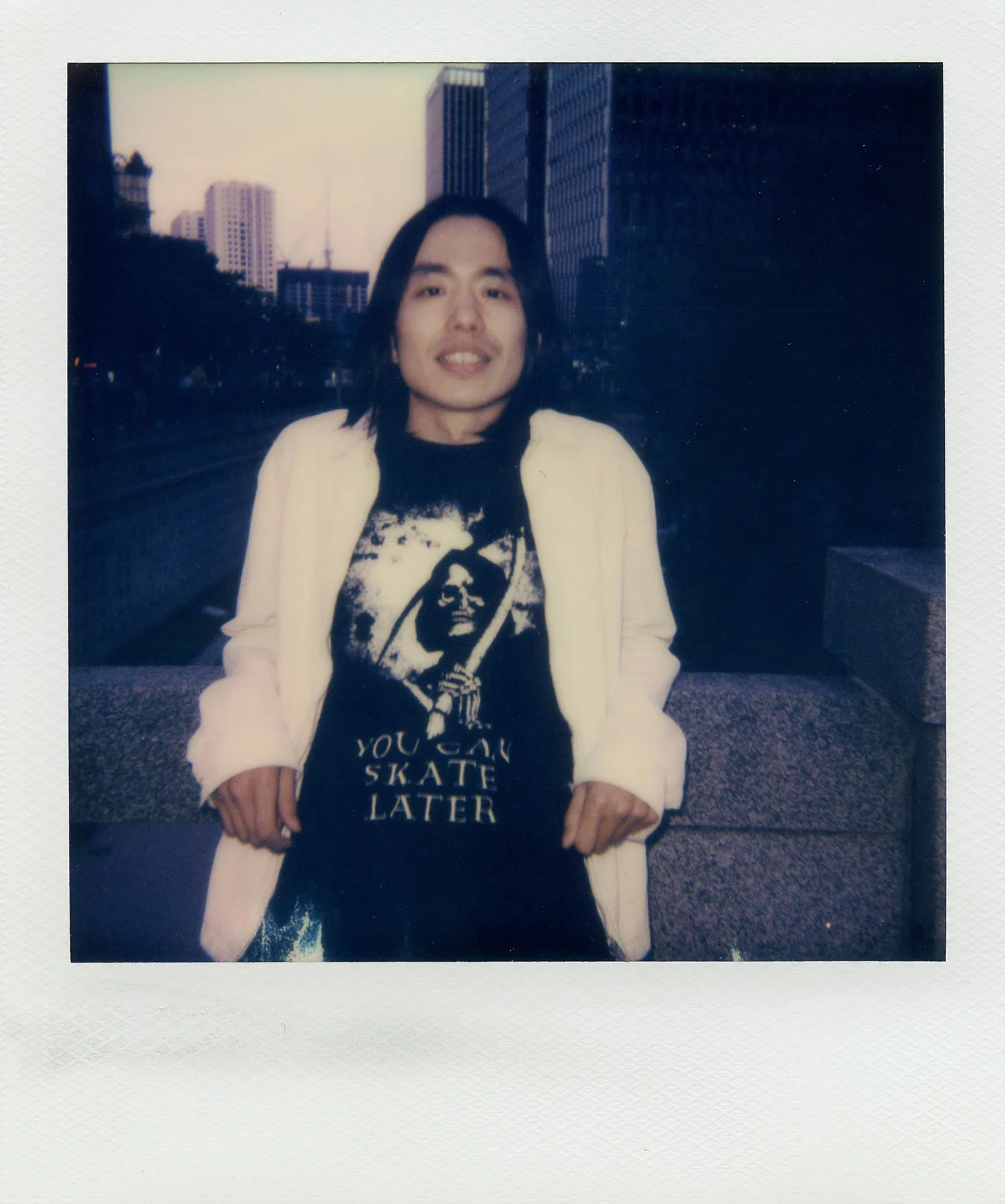
Photographs courtesy of Sunik Kim.