

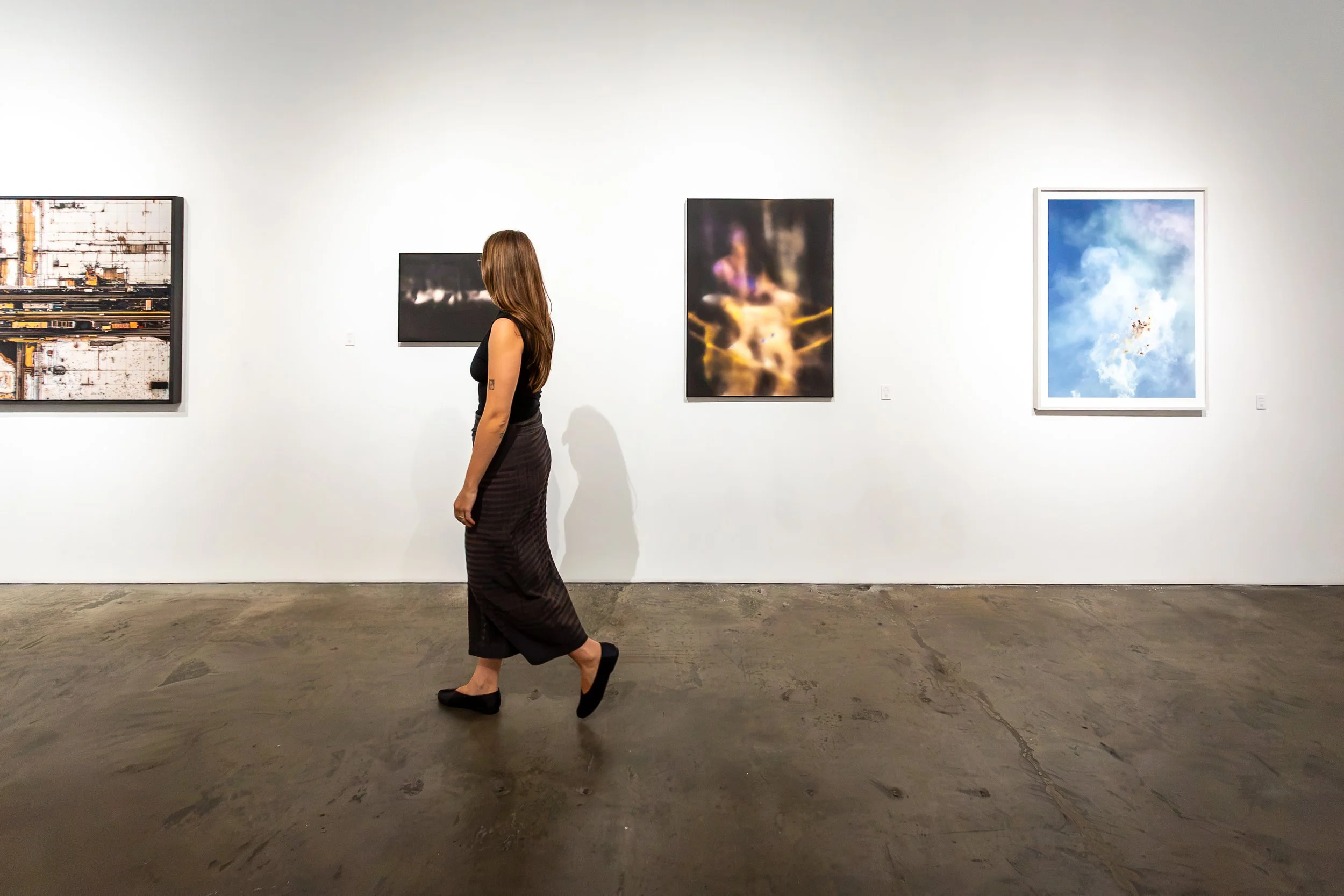
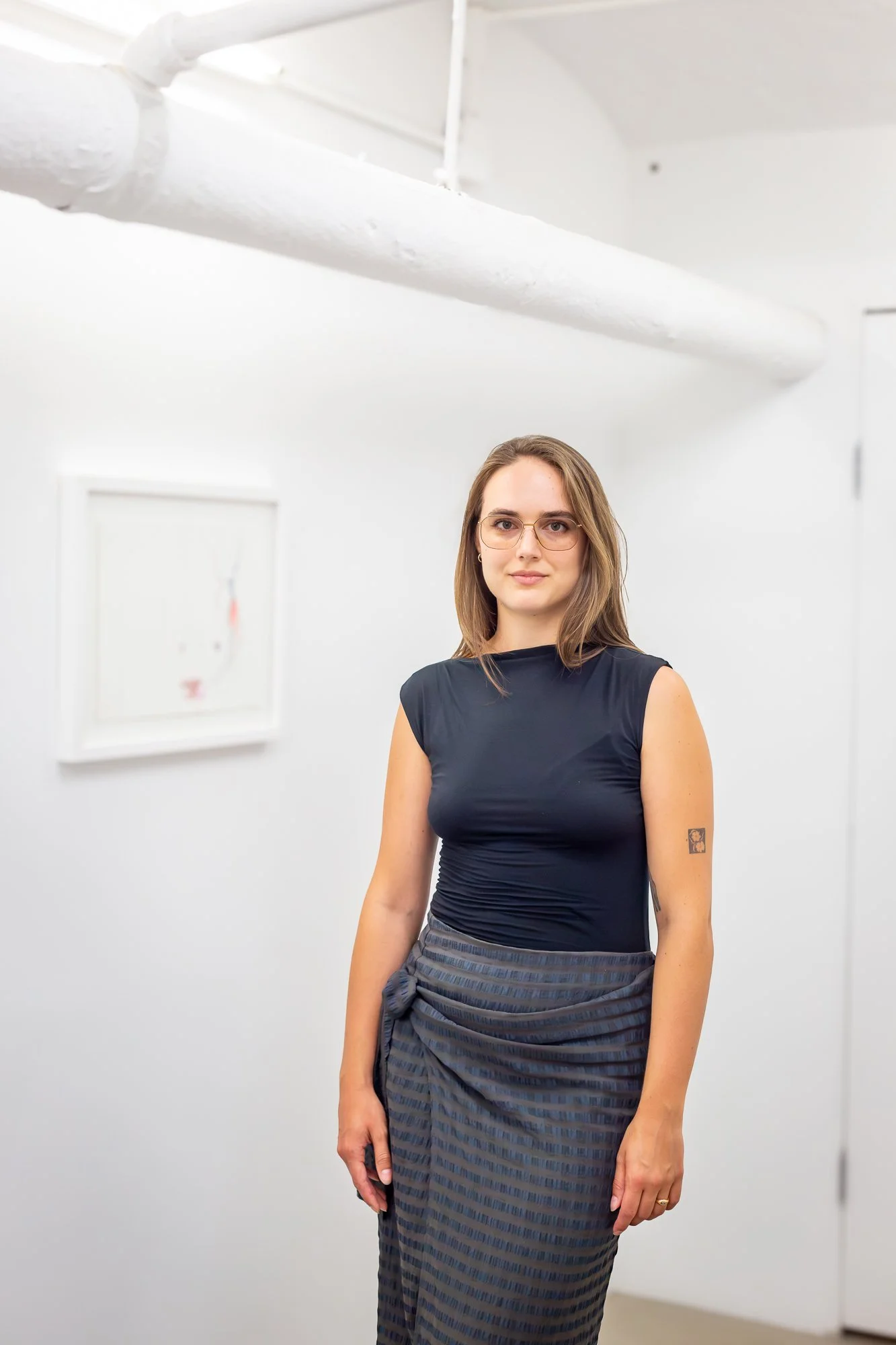
On Access, Advising, and Bridging the Two Art Worlds: A Conversation with Art Advisor Sibilla Maiarelli
Sibilla Maiarelli and I found each other on Reddit, of all places. I'd posted a question on the art collecting subreddit wondering what an art advisor actually did.
Sibilla started as a gallerist, with New Collectors on Henry Street on the Lower East Side. She left to start an independent art advisory built on the same premise as the gallery: that the size of your budget shouldn't determine whether the art world will talk to you. She also writes New Collectors, a biweekly newsletter that has become one my favorite things to get in my inbox since I learn something every time I read it.
You can also learn more about her work at her website, https://www.sibillamaiarelli.com/.
Elizabeth Royal: Hi Sibilla! First, thank you so much for sitting down with me. Can you tell me a little about how you got started?
Sibilla Maiarelli: I studied art history at Goucher College and spent a year abroad in Rome. I grew up outside of New York City, and my parents were always taking us to museums and open studios, but it wasn't until I started studying art history that I thought, wait, I really love this.
Between semesters I'd intern at galleries in New York. Then the pandemic hit, and I thought, okay, it's time to figure out what I actually want to do. Before that I'd been trying to get an entry-level gallery job, and no one would hire me. I did everything right: the degree, the internships, the contacts…but it would've been my first full-time job, and nobody wanted to take a chance on me. So I thought, alright, I'll force my way in.
That's when I started New Collectors. The art world feels inaccessible. We all know that, and I wanted to build an easier path into it. At first it was just an online platform, interviewing artists and curators, starting with people I already knew. Each conversation led to another recommendation, and it grew from there. After a short time I found a space on Henry Street that wasn't too expensive, and I thought, why not now?
I worked with emerging artists, found people through open calls, built a community, ran gallery walks, all with no employees, on a tight budget with no outside backing. It always felt like a struggle to get everything done.
When my lease was up after three years, sales weren't strong enough to grow the gallery the way I wanted, so I closed it.
After that I went to work for an art advisor who handled a lot of secondary-market transactions involving Basquiat, Richter, artists at that level. I learned so much from the high end of the market, and I love getting into the nitty-gritty of it. That part was a great experience.
I left around this time last year, but I already knew before I quit that I wanted to be an independent advisor, building my own practice. I also started writing the Substack in January and the response has been wonderful.
Your Substack really is as good as everyone says it is, and I'm not just being nice [laughs]. My inbox is full of art newsletters, and most I click through quickly. Yours is one of the few I read start to finish, especially the part at the end where you connect the artwork to something more personal.
Being that immersed in the art world, I'm constantly picking up background information that just isn't available online. You can learn about an artist from anywhere now, but even with a CV in front of you, it can be hard to know what you're actually looking at. That synthesis is really the point of the Substack. As a collector, you're trying to put it all together, the work, the history, the context, and then there's the experience of actually spending time with it. Eventually you either think ‘Wow’, or you don't.
I tell people on my TikTok not to worry about price because my audience typically isn't buying blue-chip work but it's still something they care about deeply. Most of them are spending under $30,000, but that’s a real percentage of their disposable income. They want to know: is this a good purchase, and why or why not?
I think we all start there. When I bought my first piece, I was making about $42,000 a year, and I spent $1,000 on it. There's always that voice asking if it’s a good buy even if you have an emotional connection because it is such a financial leap. You either quiet it or spend real time analyzing the decision. But analyze too long, and sometimes the moment to buy has already passed.
That's been my experience too. It's hard to know, because a lot of people in the art world are salespeople. They're going to tell you what you want to hear. When people ask whether they should hire an advisor, I compare it to hiring a buyer's agent when you're purchasing a house. Yes, you're paying a commission, but you're paying for expertise that might prevent you from making an expensive mistake.
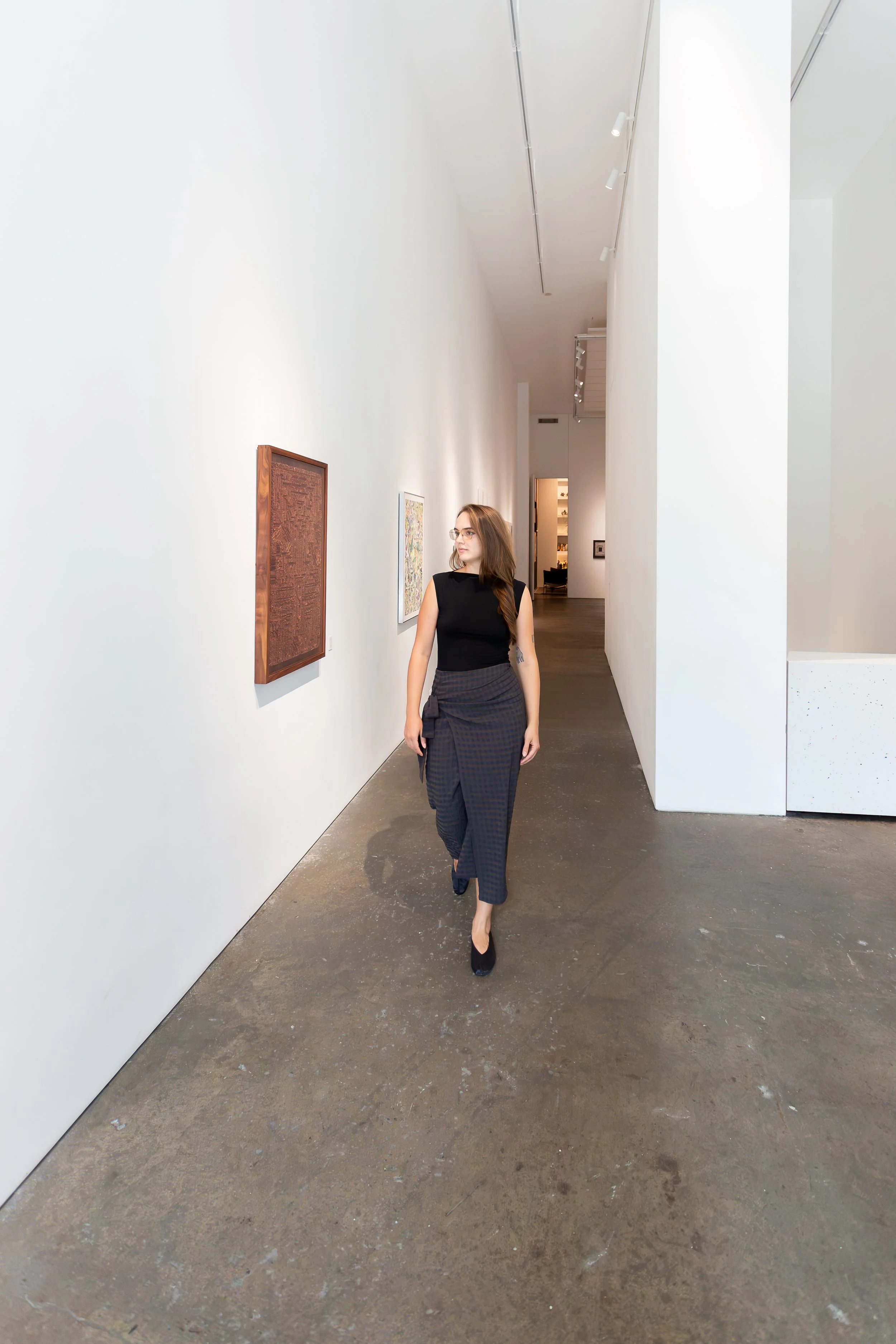
Sibilla at Heft Gallery
We’ve been buying entirely on our own [without an advisor], and I think there are a lot of young collectors like me making that transition into more serious collecting as our income has stabilized and we’re starting to establish ourselves financially. You start in one place and realize there's a whole side of the art world you know nothing about.
It wasn't until I moved to Detroit, where estate sales and auctions were full of incredible collections at accessible prices, that I realized I could actually buy things. Now my husband and I are looking at works in the $20,000-and-up range, which still feels surreal, and you really want to know you're making a thoughtful decision.
I relate to that completely. My parents collected through a local gallery on Long Island and through friends. They had a graphic design studio and would often trade design work for art. My husband and I don't have an unlimited budget either. The most expensive piece we've bought cost about $13,000, and we still talk about that decision. So I understand, on a very personal level, that these are major financial choices, because art is fundamentally a luxury.
At the same time, I see how people at the top of the market operate. I was on the phone recently with a dealer in Zurich about a Picasso drawing. He mentioned, almost offhand, that if it sold for around $80,000 he wasn't sure a New York dealer would even bother. I remember thinking, eighty thousand dollars? I'd be thrilled with that sale.
But it's important… and I write about this a lot… that people in this industry don't shut collectors out just because they're spending below a certain threshold. That's the wrong way to think about the future of the market. Collectors are aging out, collections are being sold, and their kids often aren't inheriting them or continuing to collect the same way. Because of that, galleries are actually starting to relax a little about who they'll sell to.
A friend told me recently that she thinks I exist between two different art worlds: one accessible and open, focused on emerging artists and collectors, and one much more exclusive and gatekept. I thought that was a pretty accurate way of putting it.

New Collectors, Sibilla’s former gallery on Henry Street, New York City
Let's imagine there's a bridge between those two worlds. On one side is someone like me… a newer collector without family money, but enough disposable income to build a collection over time. I'm deeply interested in art, but I don't live in an art capital, and I don't have day-to-day access to that ecosystem. So, is that bridge even worth crossing? And if you could design it, what would it look like?
I do think it's worth crossing. But you need information. It makes me think of The Divine Comedy. Doesn't Dante have Virgil guiding him through the Inferno? You need a guide.
Fully integrating yourself into the art world takes an enormous amount of time, energy, and often money. There’s often years of research and immersion that not everyone has the luxury of. So what happens when you want to buy at a higher price point but don't have the time to become deeply embedded in it yourself? You hire an expert.
As for whether it's worth it? Yes, if you're following art you genuinely love. Some collectors are perfectly happy buying only emerging work, and that's a completely valid strategy. Maybe five percent of those artists end up historically significant. Most won't. But you still end up with a home full of meaningful work. It may not carry the prestige of owning a Twombly, but that's a different [end goal].
If I were designing that bridge, which is essentially what I'm trying to do through my practice and the Substack, I would want my identity as an advisor to be really clear: I can help someone buy a $4,000 painting from a downtown gallery, and I can help someone source a Warhol print. Those requests are equally valid to me. I don't judge clients by their budget today. What matters is building a long-term relationship. Maybe someone's budget is modest now and much larger later. In the meantime they're developing their eye, building their taste. Why wouldn't I want to be part of that? I'm not focused on the commission I'll make right now. I'm thinking about the relationship I'll still have twenty or thirty years from now.
Everything in this industry is based on relationship, and reputation. Being approachable to collectors now means I'm building relationships with the people who'll be buying more significant work later.
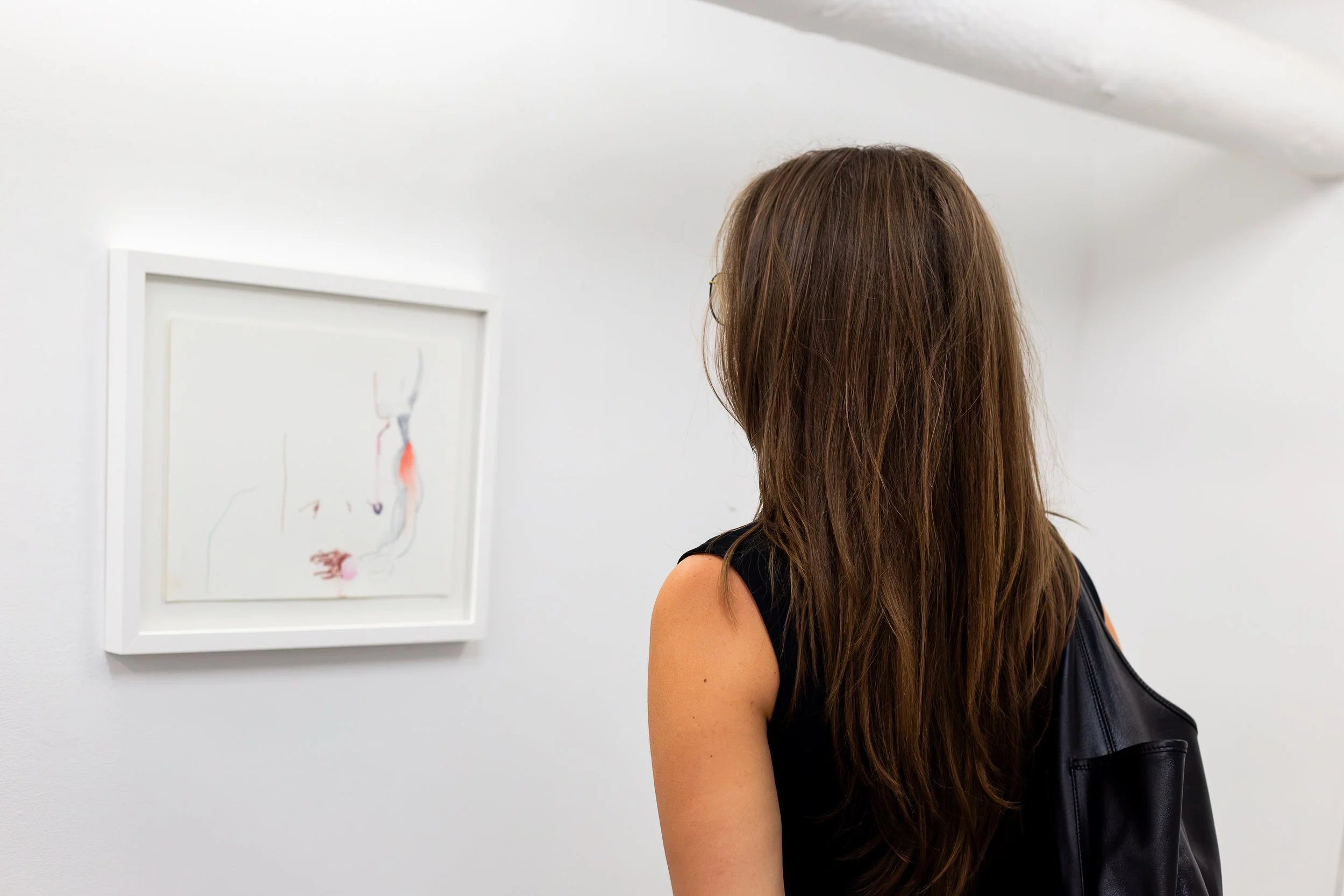
What I'm hearing is that someone in my position is actually a good fit for how you work. We've talked before about the Jasper Johns print, for example, it's on my husband's and my art bucket list. I lost two at auction, and with pieces like this, it feels like there are fewer and fewer available. Say I wanted to start that search for a pice I’m interested in would I just email you? How do I loop an advisor in?
Since we already have a relationship, I'd just add your request to the running list I keep of what my network is buying, selling, or looking for. I wouldn't ask you for a retainer.
If someone contacts me cold with no specific request, they just want me to develop ideas and present options, that's different, and I ask for a $500 retainer. It isn't an extra fee; it goes toward the commission on their first purchase. It just protects my time from people who disappear after I've done the work. If someone comes to me with a defined project, like a new house, I usually offer two structures: that same retainer plus commission, or a curatorial fee, often around ten percent of the overall budget, with no commission on top. Either way, I need to be compensated fairly, which is usually ten to fifteen percent of the purchase price.
Every advisor works differently. Some charge steep annual retainers, others work purely on commission. I'd rather have the relationship than lock someone into a number upfront.
So there are really two kinds of requests: "I'm looking for this specific artwork," and "I'm still figuring out my taste… help me discover what I should be looking at." That sounds like two different jobs.
Exactly, and an advisor should do both. The advisor I used to work for mostly sourced specific requests. But every so often he'd come across something and just call a client and say, you should buy this. Very often, they did. The relationship becomes deeply personal over time. You learn a client's taste and combine it with what's happening on the ground, what galleries are showing, what's emerging. If I walk into a show and think, Elizabeth would love this, I can send it your way. I'm in a position to find things you'd never come across in your everyday life.
Sourcing something specific is more complicated. I usually work through my network of other advisors and dealers, and from there it becomes a negotiation, since commissions aren't fixed. A lot of it comes down to trust. The most important thing when approaching an advisor is just asking how they like to work. You'll get a different answer from everyone, because you're entering a relationship, and it has to fit.
I see the Substack as a step between casually following my work and formally hiring me. It gives people a sense of what I'm looking at, what my taste is…
From a newer collector's perspective, it feels like there's an entire vocabulary in the art world that, if you didn't grow up around it, you just never learned. I think about it like the way first-generation college students are at a disadvantage. Not because they're less capable, but because they haven't been exposed to the assumptions that guide other students toward higher education. Collecting works the same way. The hardest part is realizing you don't know what you don't know.
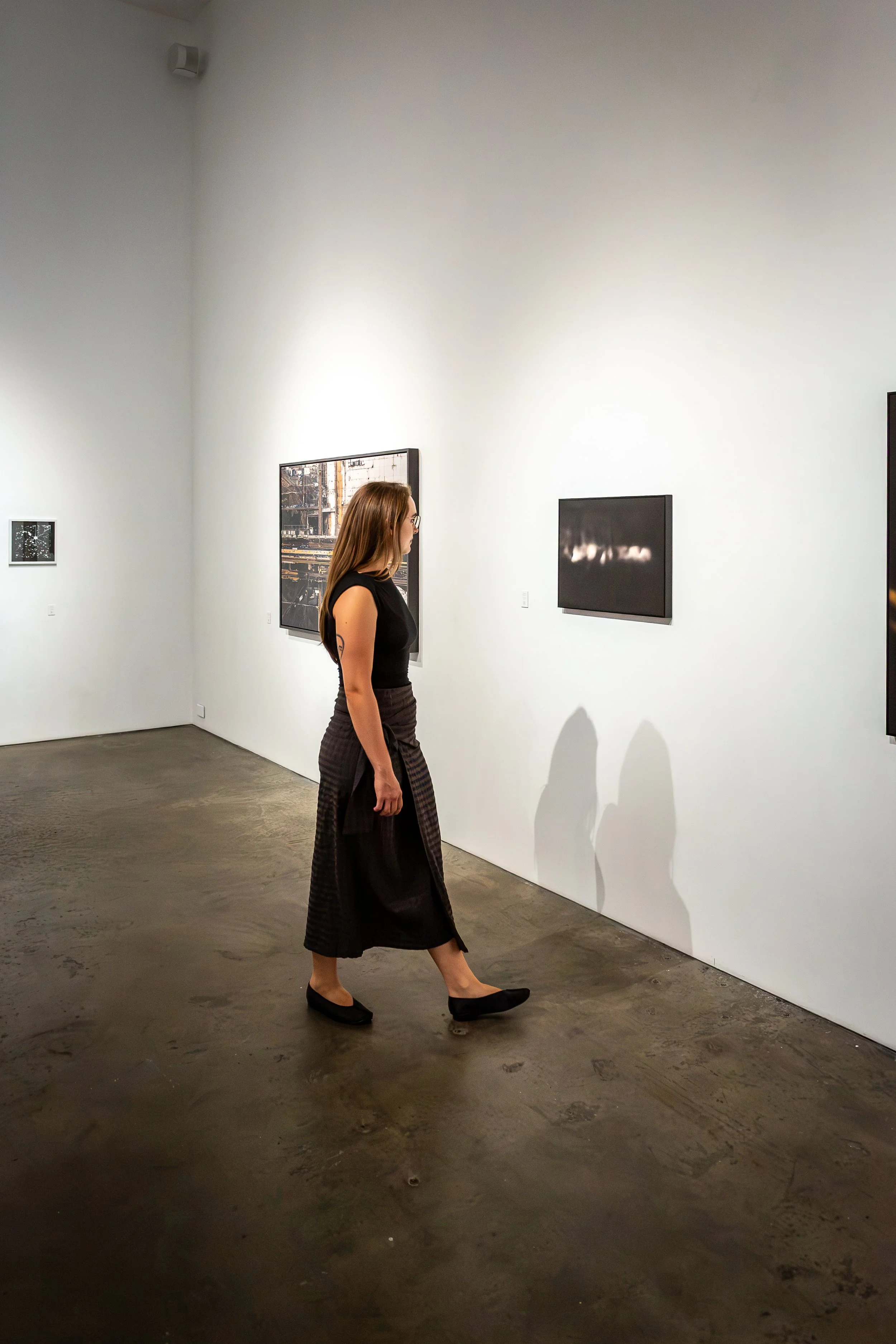
Totally. The art world is incredibly social. That's why it matters to have friends who are into art, people at your stage and further along. A lot of people don't realize they can just walk into a gallery, ask questions, have a conversation. That's why I started the gallery walks. We visit galleries together, talk to the directors, hear the context that never makes it into a press release.
CAPTION
So, thinking about art from an investment perspective, most of the art in our house probably isn't going to appreciate significantly, and we've made peace with that. We buy because we love living with it and want to support artists whose work we believe in.
Even so, as you spend more, I think it's worth considering resale value, even if you never intend to sell. When I bought that $13,000 painting, I asked myself: if we had to sell this, would I feel confident we could recover what we paid? My answer was yes, not because I expect to sell it, but because I know the gallery, I know the artist, and I understand what the gallery is doing to build that artist's market. Even on a $2,000 purchase, I think about that. I want to know the gallery is actually investing in the artist's long-term career.
That's a perspective I'd honestly never considered from the gallery's side.
It's a huge responsibility. [Galleries are] building relationships with curators and institutions, placing work strategically in group shows and residencies, thinking carefully about who you're selling to. That's why some galleries seem so exclusive. They're not trying to be difficult, they're trying to place work in collections that will actually strengthen the artist's career.
That's a lightbulb moment for me. We only recently started buying from galleries and as a newer collector, I used to walk in, point at a piece, and say, "I'd like to buy this." Sometimes the answer was just, "No." And I'd think ‘but I have the money.’
Exactly, and that's another reason an advisor helps. If I have a relationship with a gallery, I can advocate for you. I can say, this collector is serious, they genuinely care about the artist, they have the means, and here's why I think they're the right home for this work.
What actually makes someone an ideal collector, from a gallery's perspective? That still feels fairly abstract to me.
Ultimately, galleries want a collector who buys consistently, has museum affiliations, and already owns respected work by other artists. Those things elevate the artist's reputation. When a gallery says, "so-and-so owns one of these," that's meaningful. It signals to other collectors that the artist belongs in an important collection. As a collector, it's worth asking what the gallery is actually doing to support the artist's career. Some galleries are reluctant to answer, but I think those questions are worth asking. I'd encourage collectors to ask everything they need to. The art world needs more transparency.
One thing I hear constantly from other collectors, both my close friends and the wider community that's formed around Art Rookie, is the fear of asking the wrong question. People worry they'll look uninformed, damage a relationship, or somehow get shut out of the art world entirely. It feels like we have decades of collecting ahead of us, so one mistake can feel enormous and permanent. There's this sense of staring into a void of things we don't yet understand.
Exactly… and that's another advantage of working with an advisor. You can ask every question you have. And if the advisor doesn't know the answer immediately, they'll know who to ask, how to ask it, and where to find it. That's one of the biggest values an advisor can offer.
This interview has been edited for clarity and length.
Elizabeth Royal conducted the interview July 2026. The photographs were taken August 2026.
Thank you to Sibilla Maiarelli for her time, her honesty, and for all of the excellent conversations we’ve had.
You can learn more about her work at sibillamaiarelli.com and subscribe to her newsletter, New Collectors.